
Wesley Carmody, Jerky & food-safety writer
My corner of the site is everything where heat matters: jerky, meat and fish, dog treats, and the temperature dial itself. It's also the part of dehydrating where a sloppy guide can make someone sick, so I take it slowly.
A dial that reads 165°F tells you what the maker is aiming for. It doesn't tell you what the air on the bottom tray reaches with a full load. I can't measure that for you, so I do the next best things. I read the stated range and heater wattage in the manual, I hold them against the USDA and National Center for Home Food Preservation guidance for meat and poultry, and I go looking for the owner reviews where someone checked with a probe thermometer and wrote down what they found. Those reviews are rare, and I value them more than any spec line.
I write the guides on jerky, jerky food safety, dehydrator temperatures and dog treats. For dog treats I stay with plain ingredients and tell you to ask your vet about anything beyond that.
What's in my guides comes from reading, slowly and twice.
Areas of expertise
- Jerky from marinade to storage
- Temperature ranges and thermostats
- USDA and NCHFP guidance
- Dog treats, kept plain
- Timers and auto shut-off
How I work
- Before a dehydrator goes on a jerky list, I check its stated maximum temperature against the USDA and NCHFP guidance.
- I treat a thermostat number as the maker's claim, and I flag it when owners report something different.
- I look for timers and auto shut-off in the manual, not the listing title, because overnight runs are where they matter.
- Every food-safety step I write comes from published guidance, and the guide lists that guidance at the bottom.
Articles by Wesley Carmody
Written
 Home food preservation
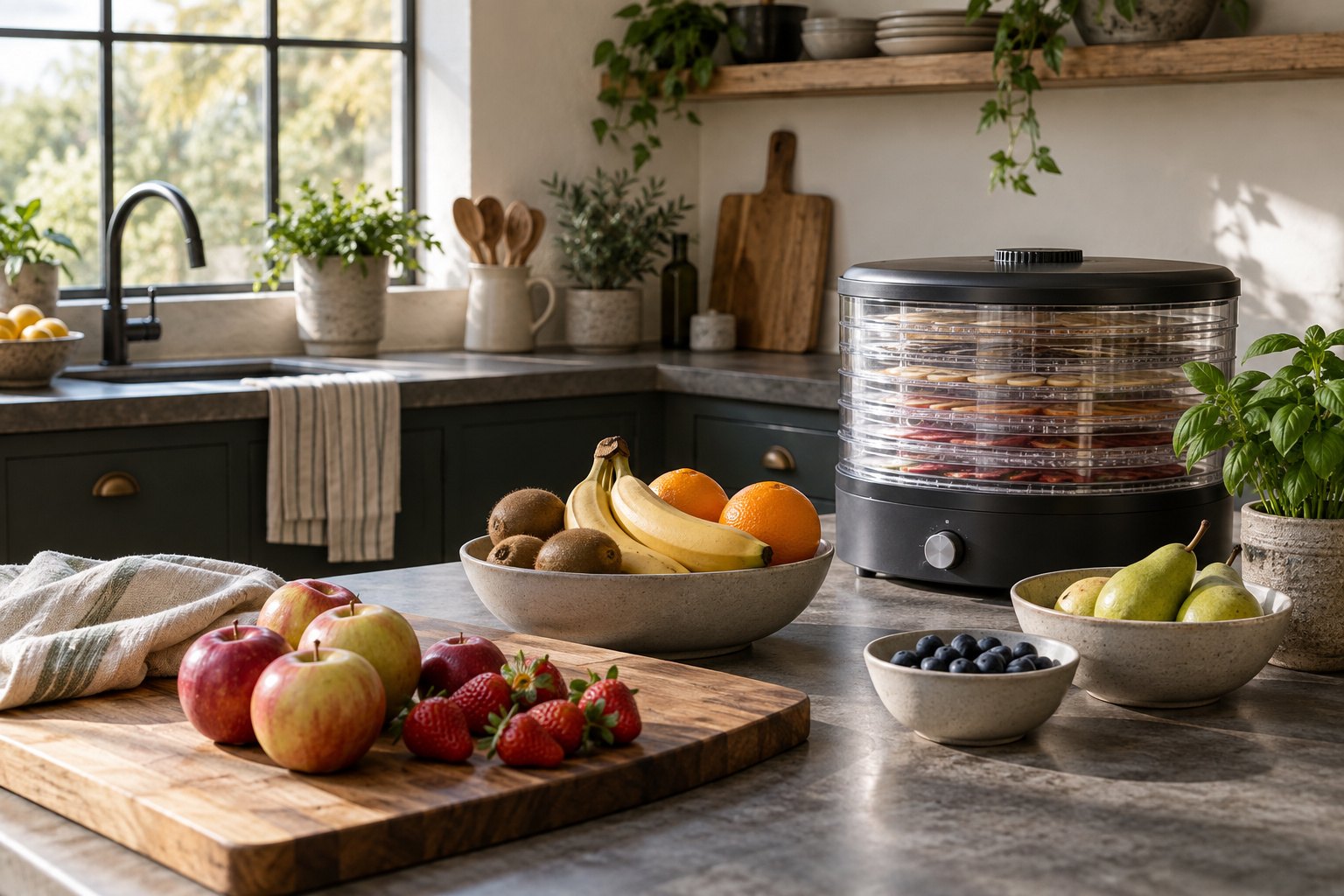
Dehydrator temperature and food safety: what the dial cannot tell you
Understand drying settings, food-specific preparation and the limits of timers, presets and temperature displays.
Read the guide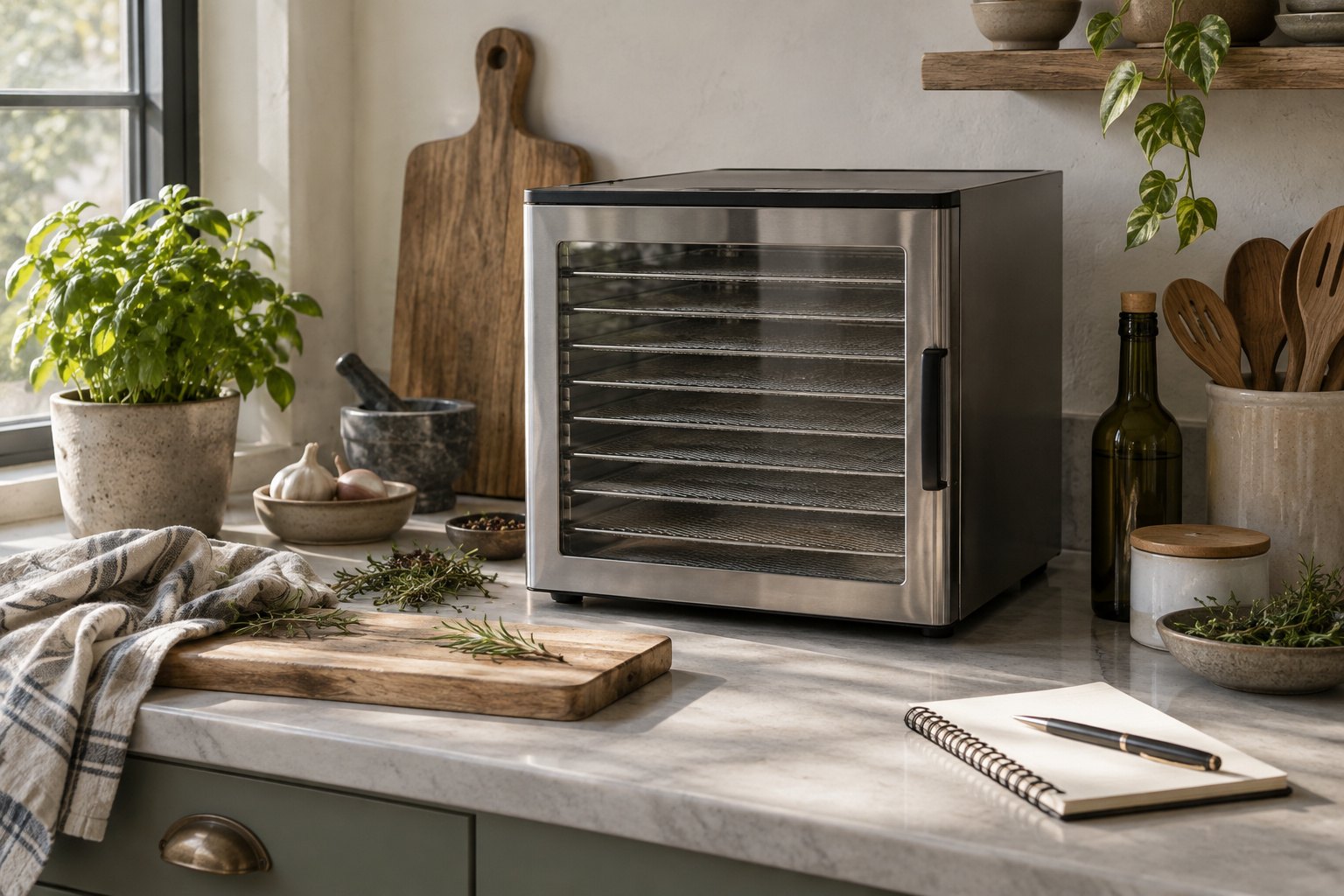 Home food preservation
Jerky food safety: plan the process before buying a dehydrator
Understand USDA’s preheating advice and why a jerky preset, marinade or dry appearance cannot prove safety.
Read the guide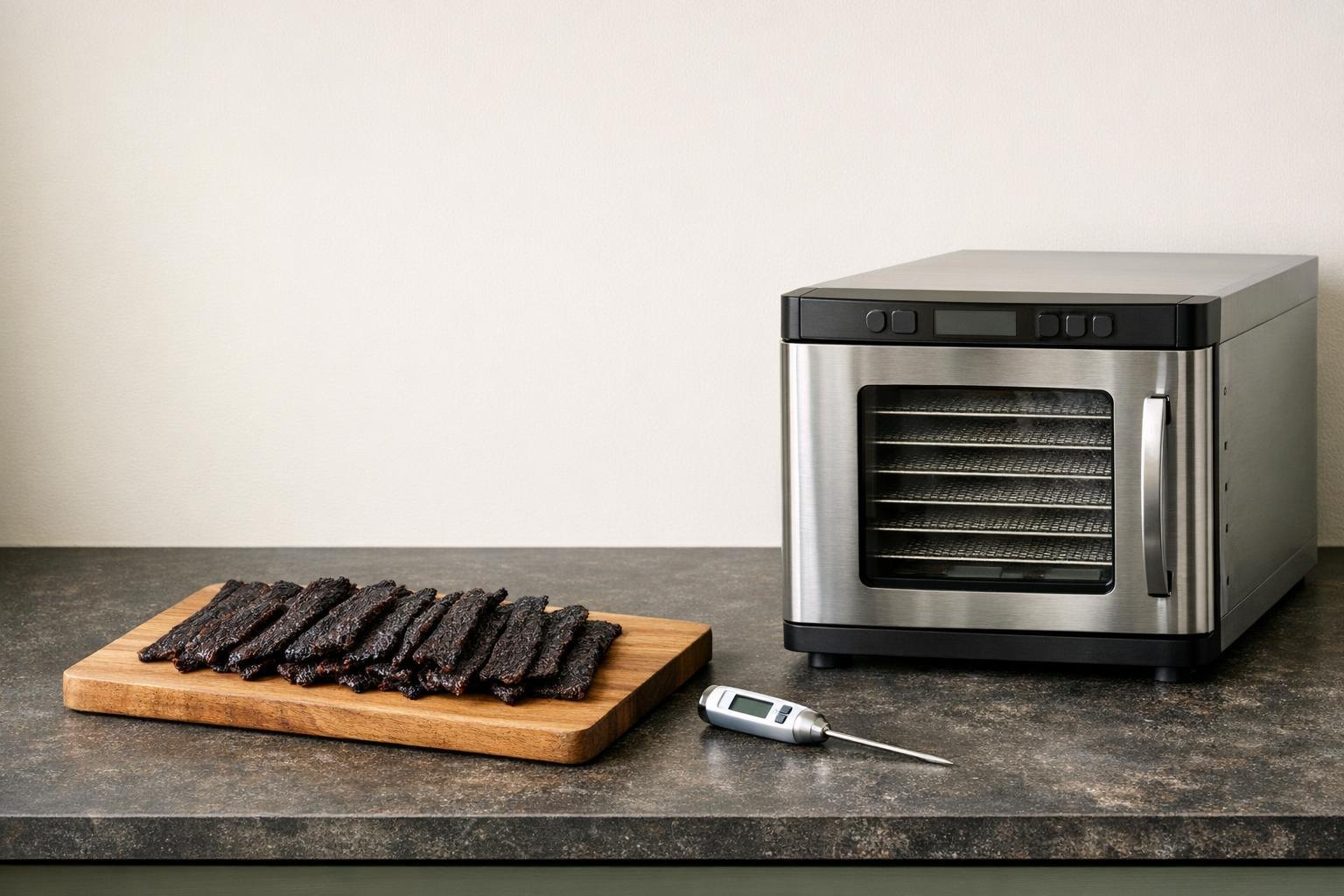 Home food preservation
How to Make Beef Jerky in a Dehydrator Safely
Make beef jerky in a dehydrator the USDA way: lean slices, a 160°F heat step, a 140°F drying run, the bend check and short, cool storage.
Read the guide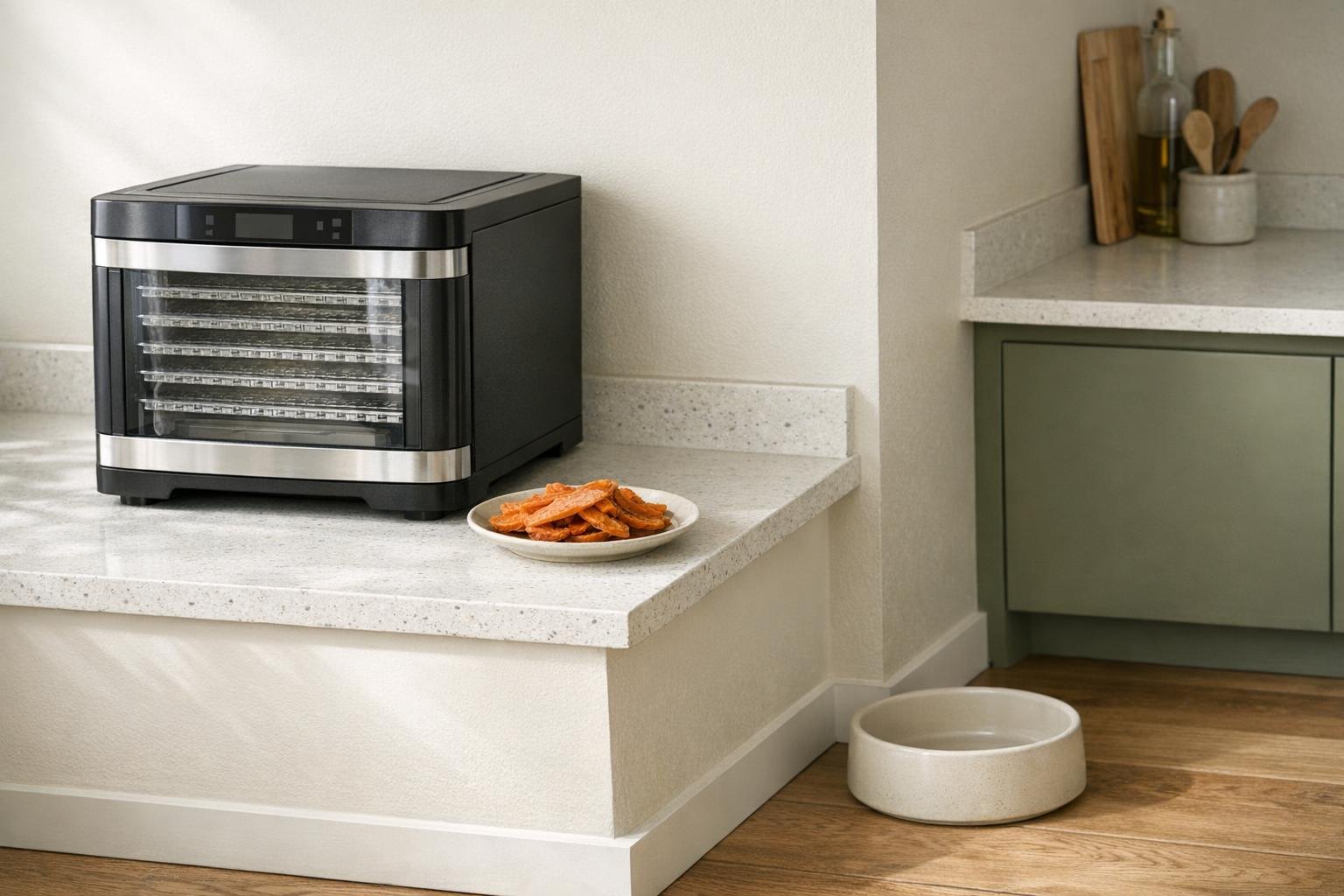 Home food preservation
How to Dehydrate Dog Treats Safely at Home
Dehydrate dog treats safely: plain dog-safe vegetables or fully cooked lean meat, no onion, garlic or xylitol, the 10% calorie rule and clean storage.
Read the guideEdited
 Home food preservation
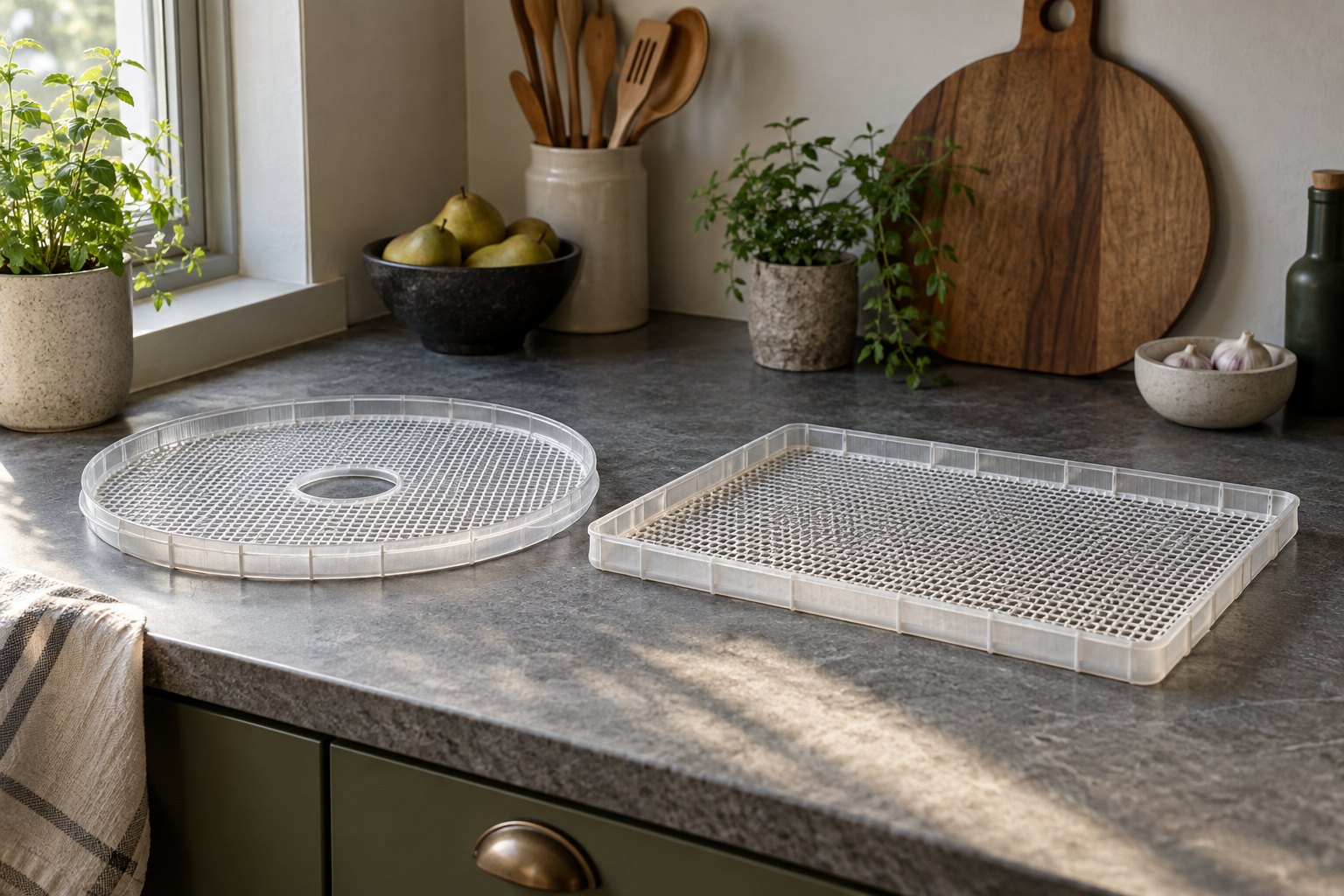
Dehydrator trays and liners: check fit before you buy
Distinguish racks, mesh inserts and solid fruit-leather sheets, then verify model compatibility and permitted care.
Read the guide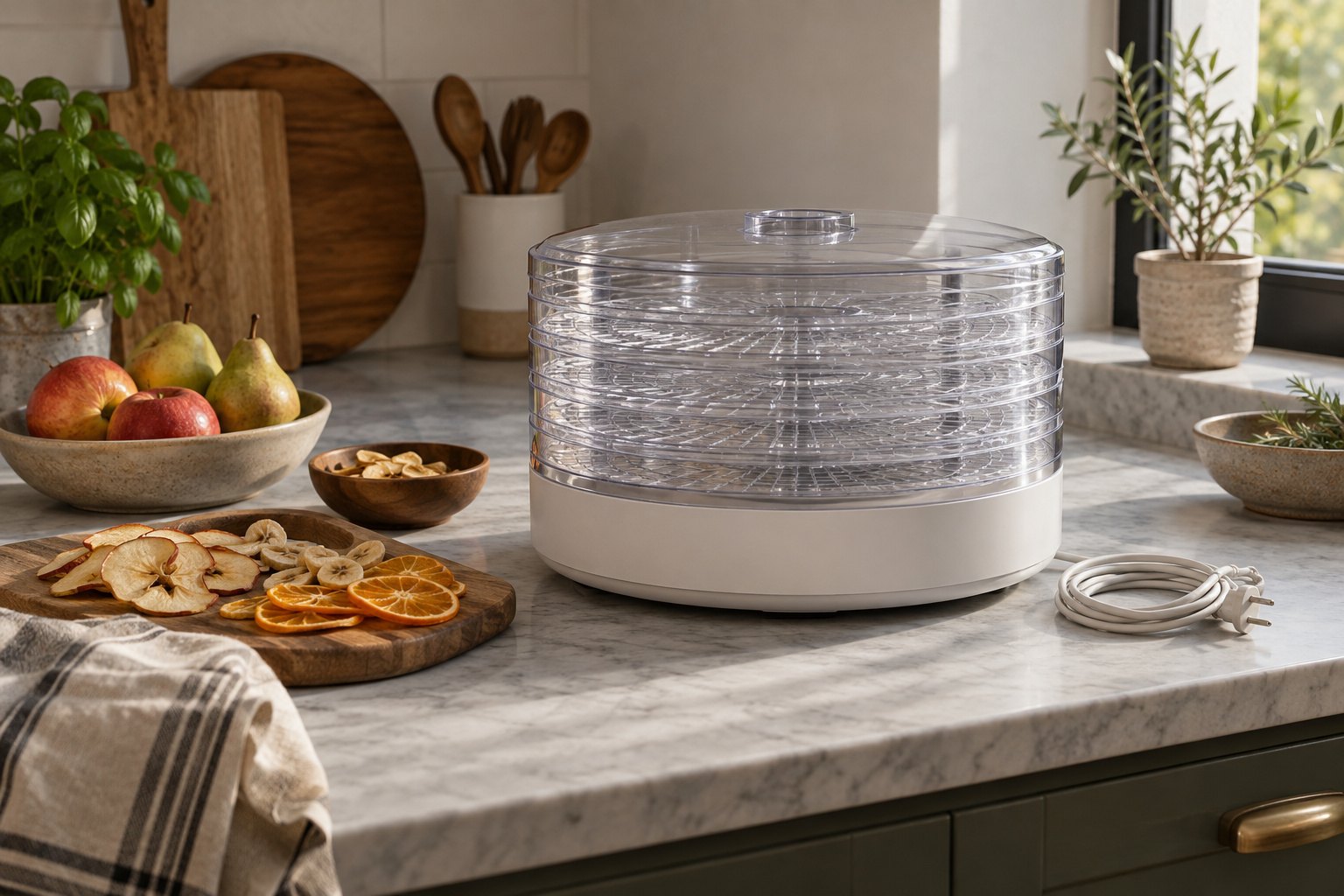 Home food preservation
How to clean a food dehydrator without guessing about its parts
Separate removable food-contact pieces from electrical components and follow the exact model’s care instructions.
Read the guideHow we score and rank the dehydrators is laid out on How we rate. The rest of the team is on Our editors.